Unlocking Global Animal Health Market Insights

The global animal health market is evolving rapidly, driven by increasing awareness of animal welfare, the rise of zoonotic diseases, and the growing demand for animal protein. As we delve into the intricacies of this market, we will explore key trends, challenges, and opportunities that shape the future of animal health.

Understanding the Animal Health Market
Market Overview
The animal health market encompasses a wide range of products and services aimed at improving the health and well-being of animals. This includes pharmaceuticals, vaccines, diagnostics, and feed additives. According to recent reports, the global animal health market is projected to reach $70 billion by 2027, growing at a CAGR of approximately 6% from 2020 to 2027.
Key Drivers of Growth
Increasing Pet Ownership: The rise in pet ownership, particularly in urban areas, has led to a surge in demand for veterinary services and products. Pet owners are more willing to spend on preventive care and wellness products.
Zoonotic Diseases: The COVID-19 pandemic highlighted the interconnectedness of human and animal health. As zoonotic diseases become a growing concern, there is an increased focus on monitoring and controlling animal health to prevent outbreaks.
Demand for Animal Protein: With the global population expected to reach 9.7 billion by 2050, the demand for animal protein is on the rise. This drives the need for healthier livestock and poultry, leading to increased investments in animal health.
Trends Shaping the Animal Health Market
Technological Advancements
The integration of technology in animal health is transforming the industry. Innovations such as telemedicine, wearable devices, and data analytics are enhancing veterinary care and improving animal health management. For example, telemedicine allows veterinarians to consult with pet owners remotely, making healthcare more accessible.
Focus on Preventive Care
Preventive care is becoming a priority for pet owners and livestock producers alike. Vaccination programs, regular health check-ups, and nutritional supplements are gaining traction as they help prevent diseases before they occur. This shift towards preventive care not only improves animal health but also reduces overall healthcare costs.
Sustainability and Ethical Practices
Consumers are increasingly concerned about the sustainability of animal farming practices. This has led to a demand for products that promote animal welfare and environmentally friendly practices. Companies that prioritize sustainability in their operations are likely to gain a competitive edge in the market.
Challenges in the Animal Health Market
Regulatory Hurdles
The animal health industry is heavily regulated, with stringent guidelines governing the approval and use of veterinary products. Navigating these regulations can be challenging for companies, especially smaller firms with limited resources.
Rising Costs
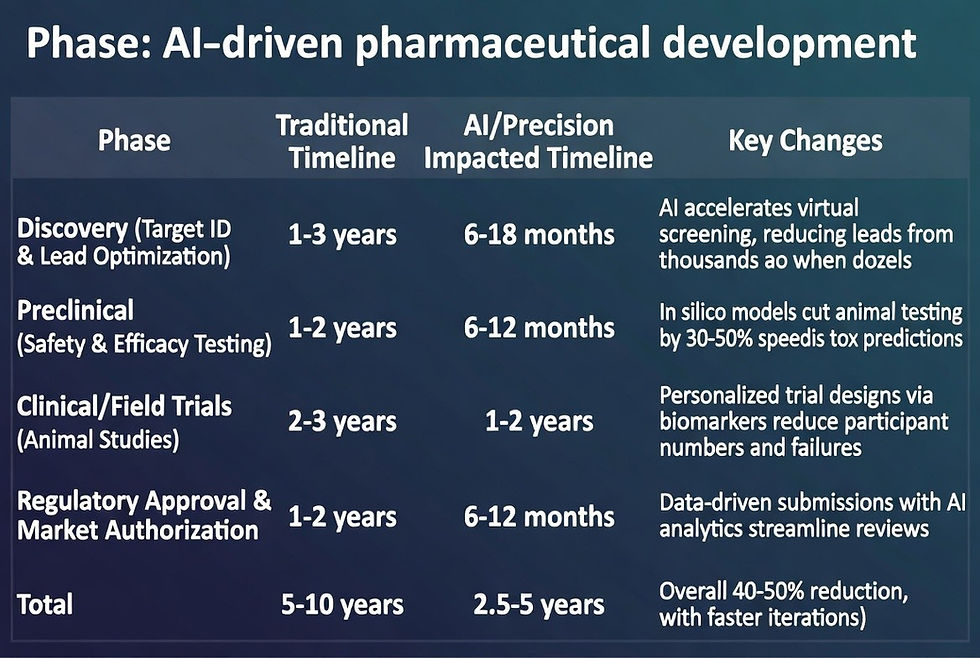
The cost of developing new veterinary products is rising, driven by the need for extensive research and testing. This can hinder innovation and limit the availability of new treatments in the market.
Competition from Generic Products
As patents expire, generic products are entering the market, leading to increased competition. While this can benefit consumers through lower prices, it poses challenges for brand-name companies trying to maintain market share.
Opportunities for Growth
Emerging Markets
Emerging markets present significant growth opportunities for the animal health industry. Countries in Asia, Africa, and Latin America are experiencing rising incomes and changing dietary preferences, leading to increased demand for animal health products.
Collaboration and Partnerships
Collaboration between veterinary professionals, researchers, and companies can drive innovation in the animal health sector. Partnerships can facilitate the sharing of knowledge and resources, leading to the development of new products and services.
Investment in Research and Development
Investing in research and development is crucial for staying competitive in the animal health market. Companies that prioritize R&D can develop innovative solutions that address the evolving needs of animals and their owners.
The Future of Animal Health
The future of the animal health market looks promising, with numerous opportunities for growth and innovation. As the industry continues to evolve, stakeholders must remain adaptable and responsive to changing consumer demands and market dynamics.
Conclusion
The global animal health market is at a pivotal point, driven by various factors including technological advancements, increasing pet ownership, and a focus on sustainability. By understanding the trends, challenges, and opportunities within this market, stakeholders can make informed decisions that contribute to the health and well-being of animals worldwide.
As we move forward, it is essential to prioritize collaboration, innovation, and ethical practices in the animal health sector. The insights gained from this analysis can serve as a roadmap for navigating the complexities of the market and unlocking its full potential.


Comments